
From Clicks to Ticks: Building Live Investment Dashboards Without Code

Today we dive into integrating broker APIs and real-time market data into no-code investment dashboards, turning drag-and-drop tools into living views that tick with every quote. You’ll learn practical patterns, guardrails, and design moves that keep latency low, permissions correct, and insights clear, so experiments become reliable, shippable products without heavy custom code or fragile workarounds. Expect actionable guidance, relatable stories, and clear next steps you can try immediately.

Choosing the Right Broker Connections

Not all broker connections are equal, and your dashboard’s credibility depends on choosing reliable counterparts with clear documentation, stable uptime, and honest rate limits. Clarify execution venues, tradeable instruments, paper trading availability, and data entitlements up front. Map your required features, weigh latency sensitivity, and shortlist options that align with compliance expectations, straightforward onboarding, and supportive developer communities ready to help you unblock edge cases fast.

Streaming Market Data Without Writing Code

Real-time data usually arrives over WebSockets, while many no-code tools prefer webhooks or scheduled pulls. Bridge the gap using lightweight gateways, serverless functions, or off-the-shelf connectors that translate streams into digestible events. Plan heartbeats, backoff, and reconnection logic. Normalize symbols uniformly. If possible, selectively downsample noisy updates into meaningful aggregates, preventing your visualizations from stuttering while retaining the responsiveness traders expect during volatile, high-volume market moments that stress infrastructure.

Data Modeling for Fast, Insightful Views

Great dashboards start with clean models: instrument dictionaries, normalized symbols, and consistent price scales. Separate raw ticks from derived features like OHLCV, moving averages, and spreads. Pre-aggregate where latency matters, and cache for frequent queries. Design watchlists, positions, and orders as distinct, linkable entities. Favor denormalized, read-optimized tables for tiles and charts, while retaining raw event logs for auditing, anomaly detection, and backfilled recomputations when vendors correct late corporate actions or stale records.

Security, Entitlements, and Responsible Access

Protect users and providers by storing secrets in encrypted vaults, never in spreadsheet cells or shared notes. Respect data entitlements: many vendors forbid redistribution beyond licensed users. Enforce principle of least privilege with separate roles for viewing, trading, and administration. Log every sensitive action with contextual metadata. Communicate clearly about risks, disclaimers, and maintenance windows so trust grows. Responsible integration choices today prevent painful audits, revoked access, and credibility damage when surprises eventually arrive unexpectedly.

Protecting Keys in No-Code Platforms

Use environment-scoped secrets, not inline strings in flows. Rotate keys on a schedule and revoke credentials instantly when collaborators depart. Prefer short-lived tokens acquired via OAuth, scoped to the minimum rights required for each workflow. If a tool lacks secure vaults, proxy through a gateway that does. Audit who can read and execute automations, and avoid exporting configurations that accidentally leak credentials through screenshots, shared templates, or careless version control practices in public repositories.

User Consent and Audit Trails

Present clear consent screens before accessing brokerage accounts or reading sensitive portfolio data. Record purpose, timestamp, and granted scopes. Preserve immutable logs of orders, alerts, and settings changes with actor identity and originating IP. Offer data deletion pathways and export options. Humanize everything with understandable explanations, not legalese alone. When issues occur, comprehensive trails speed resolution, reassure stakeholders, and often reduce regulatory friction by demonstrating proactive stewardship and mature, user-centered operational practices throughout inevitable incidents.

Licensing and Redistribution Boundaries

Many real-time feeds prohibit broad redistribution or caching beyond specific durations. Understand your contract: display-only versus derived works, delayed versus real-time, and internal versus external users. Gate access appropriately and watermark exports where required. If in doubt, seek written clarification. During one rollout, a team avoided penalties by segmenting public marketing demos to delayed data while keeping licensed clients on authenticated, compliant views, preserving relationships and avoiding costly, distracting renegotiations during a critical fundraising period.

Designing Interfaces That React in Real Time
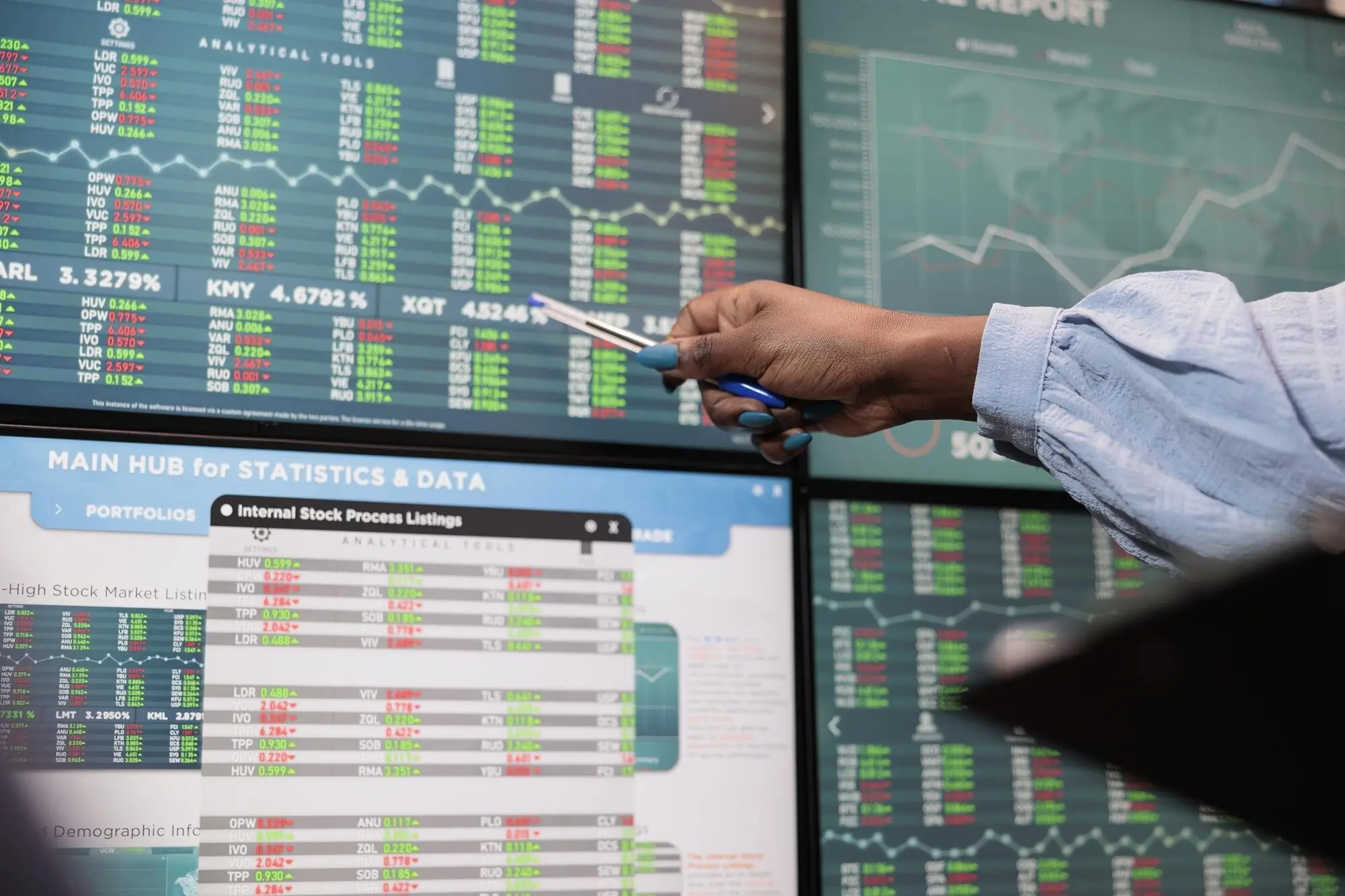
Fast data should feel calm, not chaotic. Favor subtle animations, color shifts that respect accessibility, and microcopy explaining state changes. Use skeletons during loading and timers indicating freshness. Offer clear controls for symbol selection, aggregation windows, and alert thresholds. Keep critical numbers fixed in predictable locations. Write empty-state stories that teach, not scold, and use tooltips to explain calculations. When clarity wins, users trust the dashboard enough to act decisively at market speed.

Record, Replay, and Simulated Markets

Capture raw streams with sequence numbers, then replay at real or accelerated speed to reproduce bugs and validate fixes. Layer synthetic scenarios—halts, gaps, and crossed quotes—so edge cases become routine, tested paths. Compare computed indicators against reference libraries. This workflow helped one team eliminate a persistent candle stitching bug before launch, preserving credibility when curious early adopters zoomed aggressively and asked pointed questions about historical accuracy during notoriously volatile earnings weeks.

Resilience Patterns for Spiky Feeds

Use bounded buffers with backpressure, not unbounded memory. Prefer at-least-once delivery with deduplication over lossy fire-and-forget. Gate expensive calculations behind coalescing windows. Add health checks and exponential backoff on reconnects. Practice chaos drills that sever connectivity deliberately. When volume surges, these habits keep dashboards responsive and truthful, allowing post-trade reviews that explain behavior clearly, rather than apologizing for vanished titles, stalled charts, or mysterious gaps during the exact moments users care most.

Costs, Limits, and Scaling Strategies

Real-time features are exciting, but bills arrive reliably. Track vendor entitlements, egress, storage, and function invocations. Batch writes, compress payloads, and prune high-cardinality logs. Use sampling for non-critical metrics while preserving full fidelity where decisions depend on precision. Monitor rate-limit near-miss counts as an early warning. Model worst-case volatility days. Each optimization compounds, transforming recurring expenses into controlled investments that leave room for growth, experiments, and thoughtful upgrades users actually notice and appreciate.

Community, Feedback, and Next Steps

Great dashboards grow with their communities. Share what you built, ask hard questions, and compare notes on connectors, entitlements, and design patterns. Post screenshots, explain trade-offs, and invite critique. Subscribe for deep dives, templates, and office hours. Vote on features you want next: options chains, depth-of-book, or faster alert engines. Your input shapes practical guides that reduce friction, help avoid pitfalls, and turn promising experiments into dependable tools teams proudly rely on daily.

Share Your Stack and Lessons

Tell us which brokers, data vendors, and no-code platforms you joined successfully, and where you hit snags. Describe clever workarounds or architectural shifts that kept latency under control. Real experiences help everyone move faster. Add screenshots and short clips; they reveal subtleties words miss. Together we can create a living playbook that saves weekends, wins budgets, and invites more ambitious, resilient builds across ambitious, curious teams working under real constraints.

Feature Requests and Roadmap Voting

Prioritize our next tutorials by requesting integrations, patterns, and templates you need most. Want candle replays, option greeks, consolidated tape comparisons, or click-to-trade prototypes? Cast votes, comment on drafts, and suggest test cases. We will publish transparent roadmaps and progress notes. Your targeted feedback converts vague ideas into concrete milestones, ensuring each guide closes gaps that block shipments and unlocks visible improvements in speed, clarity, and day-to-day reliability for demanding users.

Join Live Sessions and Office Hours

Come to interactive walkthroughs where we wire brokers, stream data, and design responsive tiles together. Bring credentials for a sandbox environment and follow along step by step. Office hours welcome thorny edge cases, including symbol remaps, staleness bugs, and alert floods. These sessions turn abstract advice into repeatable practice, growing confidence and momentum. Sign up, bring questions, and leave with working artifacts you can adapt and ship inside your own environment quickly.

Varotunoxaritarivexo
Privacy Overview

This website uses cookies so that we can provide you with the best user experience possible. Cookie information is stored in your browser and performs functions such as recognising you when you return to our website and helping our team to understand which sections of the website you find most interesting and useful.